How to Set or Change Hostname in Linux

When you set up a Linux server, one of the first things to do is give it a hostname — a simple name like webserver1 that’s easier to remember than an IP address (e.g., 192.168.1.20). If your server is online, you’ll also need a Fully-Qualified Domain Name (FQDN), which is like its full address on […]


How to Install and Use Screen on Ubuntu

Have you ever started a long-running task on your server over SSH and lost connection halfway through? It’s frustrating, especially when that task doesn’t resume and you have to start over. Thankfully, that’s where GNU Screen comes in — a powerful yet lightweight terminal multiplexer that lets you install and use Screen on Ubuntu to […]

How to Create Custom Nameservers on a VPS

When you’re running a VPS or dedicated server, setting up custom nameservers is a good move. It allows you to use your own domain (like ns1.yourdomain.com and ns2.yourdomain.com) for DNS instead of depending on your hosting provider’s defaults. This lets you brand your services professionally while giving you the flexibility and full control over all […]

How to Set Up UFW Firewall on Ubuntu

The UFW is a module that comes pre-installed on most Ubuntu systems. UFW (Uncomplicated Firewall) is a simple yet powerful tool that helps you secure your Ubuntu server by controlling network traffic. Its main job is to monitor, filter, and secure all incoming and outgoing network traffic based on the security rules you define. With […]

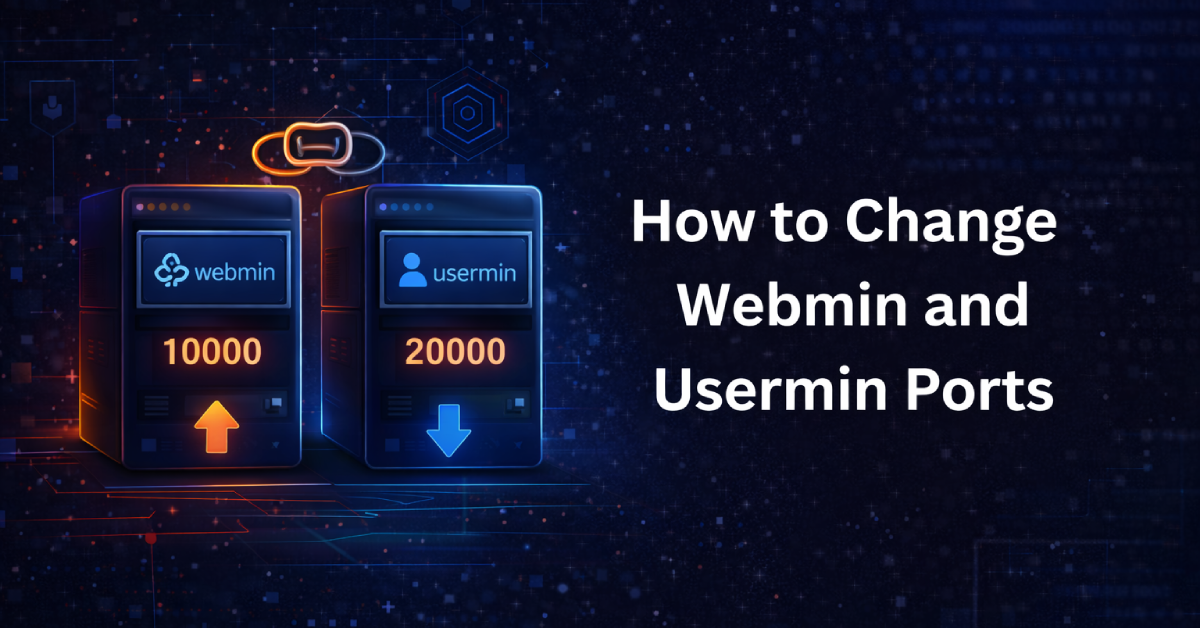
How to Change Webmin and Usermin Ports

Introduction: Webmin and Usermin are web-based control panel that simplify server and user account management. To enhance the security of your system, it’s advisable to change the default ports for Webmin (usually 10000) and Usermin (usually 20000). Altering these ports adds an extra layer of protection, making it more difficult for potential intruders to access […]

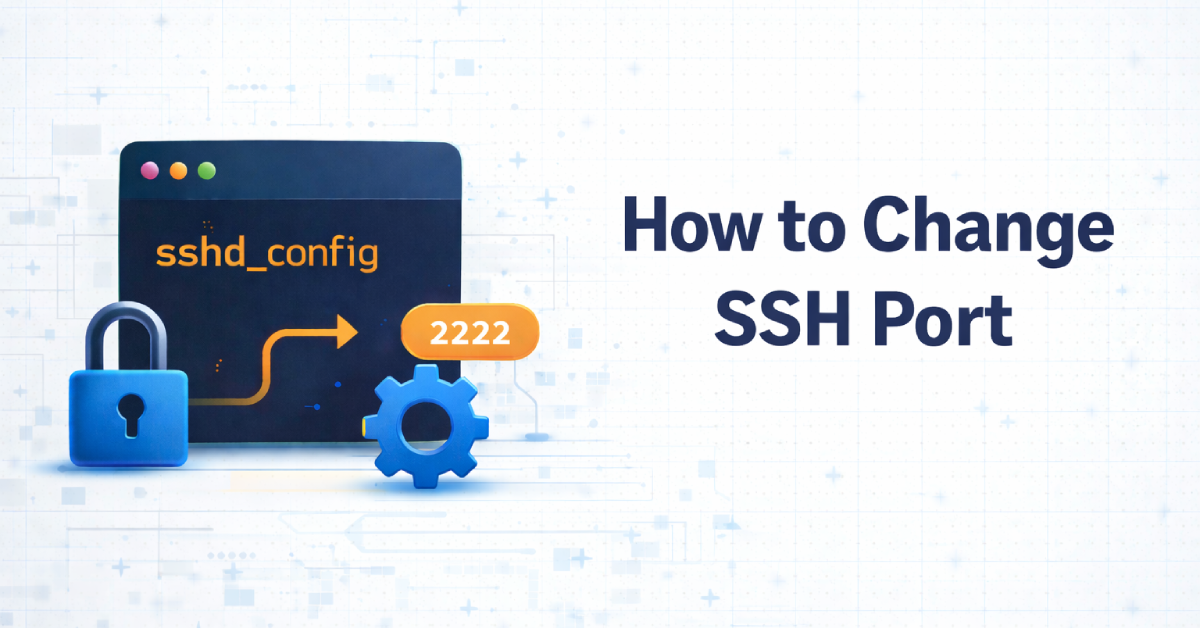
How to Change SSH Port

Introduction: Securing your server is a top priority, and one effective measure to bolster your system’s defense is changing the default SSH (Secure Shell) port. By doing so, you can enhance security and reduce the risk of unauthorized access. This tutorial guides you through the process of changing the SSH port on your server. Why […]

Using Nessus for Vulnerability Scanning on Ubuntu 22.04 Desktop: A Step-by-Step Guide

Introduction Nessus, developed by Tenable Incorporation, is a powerful Vulnerability Scanning Tool. It scans computer/server ports for known vulnerabilities and provides detailed reports. This tool is user-friendly and doesn’t demand advanced OS knowledge or command line expertise. It’s a valuable asset in the Reconnaissance/Enumeration stage of Security Penetration Tests. Nessus comes in three tiers, each […]

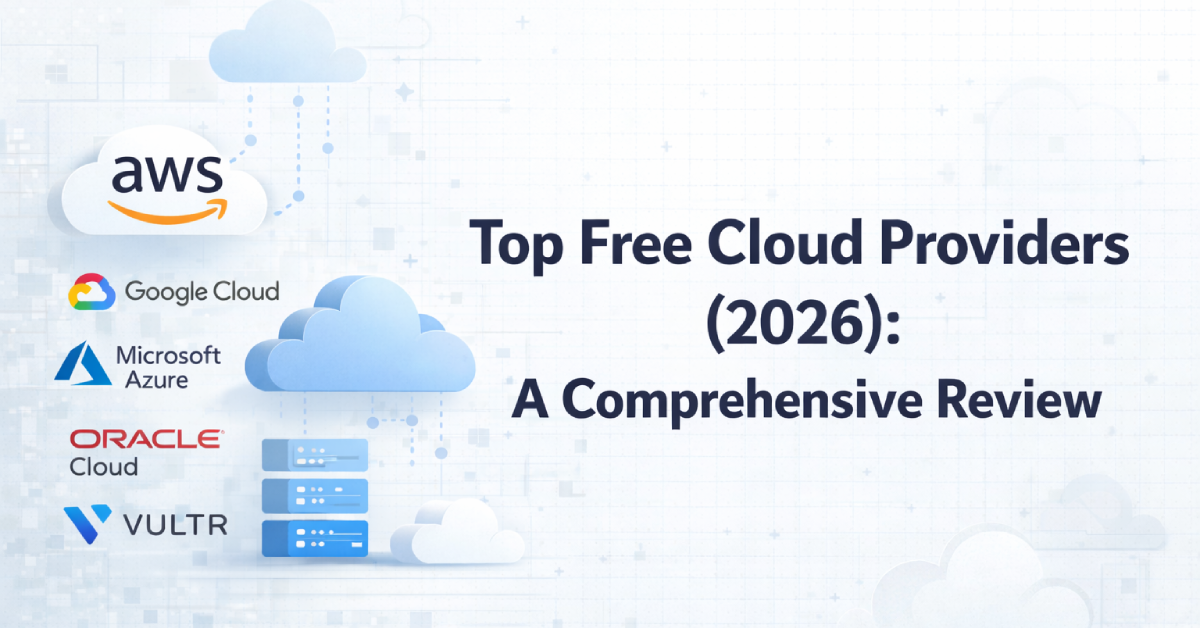
Top Free Cloud Providers (2026): A Comprehensive Review

Introduction Virtual Private Server (VPS) hosting offers a balance between cost-efficiency and performance, making it an attractive option for many individuals and businesses. While there are numerous paid VPS hosting providers, there are also free options available. In this article, we will review the top free VPS hosting providers for 2023, examining their features, limitations, […]

A Step-by-Step Guide: Installing WordPress with LEMP on Ubuntu 22.04

Introduction: WordPress is a popular content management system (CMS) used by millions of websites around the world. It provides a user-friendly interface for managing and publishing content. In this article, we will walk you through the process of installing WordPress with LEMP (Linux, Nginx, MySQL, PHP) stack on Ubuntu 22.04. This powerful combination will enable […]